

The Body Shop’s Marketing Missteps: Valuable Lessons for Brand Reinvention
- Shraddha Yadav
- Sep 19, 2024
- 3 min read

The Body Shop International Limited, commonly known as The Body Shop, is a pioneering British cosmetics, skincare, and fragrance brand founded in 1976 by Anita Roddick. Known for its strong ethical principles—sustainability, cruelty-free products, and natural ingredients—the brand built a loyal following over decades. However, in February 2024, the 50-year-old business faced administration, with FRP Advisory stepping in to restructure the company. Soon after, The Body Shop announced the closure of nearly half of its 198 UK stores.

Source: The Body Shop
In a turn of events, Indian-origin cosmetics tycoon Mike Jatania has stepped in to save The Body Shop, preserving 113 UK stores and safeguarding 1,300 jobs. The new leadership plans to focus on product innovation and revitalizing the brand’s ethical foundation. As a long-time admirer of The Body Shop’s values and a devoted user of its products, it's worth analyzing what led to this decline and the key marketing lessons that we can all learn from these challenges:
1. Loss of Brand Identity:
Anita Roddick built The Body Shop on the foundation of strong ethical values, setting it apart from competitors with its focus on sustainability and cruelty-free products. However, when L’Oréal acquired the brand in 2006, despite no changes in its ethical practices, many loyal customers perceived the acquisition as a dilution of these values. The commercial nature of L’Oréal caused a disconnect with the brand's audience, and The Body Shop began to lose its distinct identity, blending into the broader beauty market and losing its unique selling point.

Source: The Guardian
2. Lack of Innovation
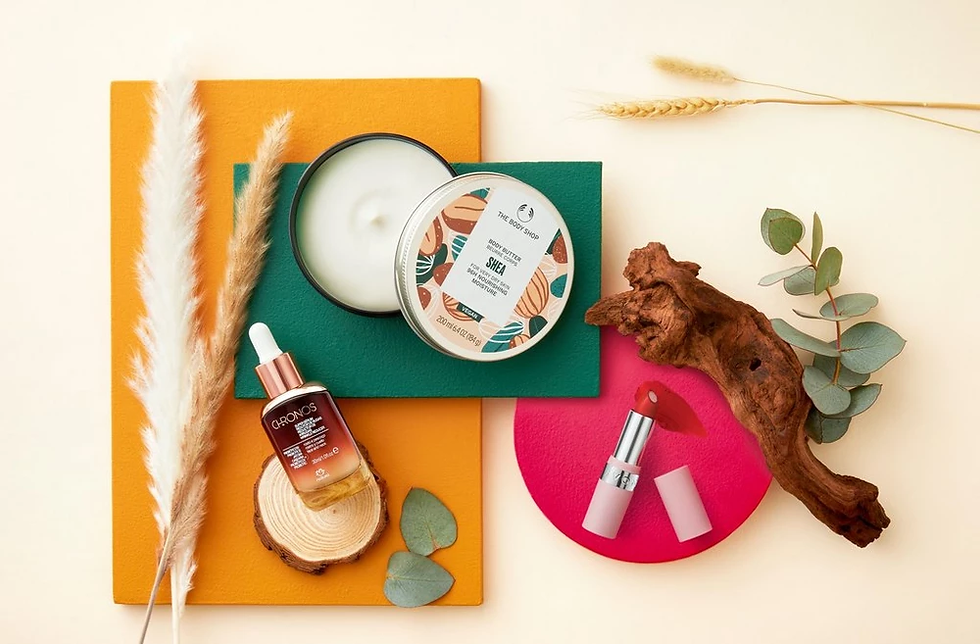
The Body Shop failed to introduce new, relevant products that resonated with younger, trend-driven consumers, particularly Gen Z. The brand’s stagnation in product development, coupled with an absence of captivating new product lines, resulted in it losing appeal. Additionally, a weak digital presence compounded these issues, making it difficult to engage with the tech-savvy generation accustomed to strong online experiences.
Source: The Body Shop
3. Intense Market Competition
With the rise of competitors like Lush and Aesop, which focus on similar ethical principles, The Body Shop struggled to maintain its competitive edge. These brands evolved with the times, offering innovative products that resonated with conscious consumers, leaving The Body Shop trailing behind.

4. Disconnect with Gen Z and Millennials
Younger generations seek more than sustainability; they crave relatability, community engagement, and authentic activism. The Body Shop missed opportunities to connect with these consumers through influencer marketing and social platforms, which are vital in shaping modern beauty choices. As a millennial myself, I can attest to the importance of seeing our favorite influencers and role models advocate for brands we trust, as this builds a deeper emotional connection.
5. Delayed Digital Transformation
In an era dominated by e-commerce, The Body Shop was slow to develop a strong digital strategy. Competitors that embraced seamless online experiences, especially during the pandemic, outpaced The Body Shop, which struggled to adapt as physical stores shuttered and consumer behavior shifted online.
In Conclusion
The Body Shop’s near collapse highlights the critical importance of preserving brand identity, staying innovative, and adapting to an evolving market landscape. While the brand’s new leadership under Mike Jatania offers hope for a revival, only time will tell if these efforts will restore The Body Shop to its former glory. For now, the lessons in branding, innovation, and digital transformation are invaluable for businesses in today’s competitive beauty industry.


Comments