

Small Businesses Have More to Offer Than You Think
- Shraddha Yadav
- Oct 16, 2024
- 6 min read

'Small businesses don’t really know what they’re doing and have nothing valuable to offer. If you want to build a successful company, you should only focus on learning from large corporations and industry giants.'
This is the conversation I stumbled upon yesterday, where someone expressed the belief that small businesses offer little value and that the real lessons for building a successful company lie with large corporations.
I completely disagree with this notion, and here’s why:

Small businesses, in fact, possess invaluable qualities that large corporations often lack. They offer the freedom to experiment, innovate, and learn from mistakes without the high stakes that come with running a large enterprise. While big businesses have abundant resources, including funding, small businesses operate with constraints, which fosters a mindset of creativity and resourcefulness.
In India, this is often referred to as a "jugaad" mindset—a problem-solving approach where small businesses maximize output from limited resources. They may not have vast financial backing, but they learn to make the most of what they have, and this, in itself, is an essential business lesson. It teaches entrepreneurs how to be adaptable, agile, and innovative.
One of the most valuable lessons we can take from small businesses is in the field of marketing. With minimal resources, these companies often devise creative and impactful marketing strategies, proving that success is not solely dependent on large budgets. Their ability to connect with customers on a personal level and utilize unconventional marketing tactics makes them excellent examples of resourcefulness.
Furthermore, the mistakes small businesses make along the way are invaluable learning opportunities. Unlike large corporations, where failure can have massive consequences, small businesses have the ability to take risks, learn, and grow. This gives them an edge in understanding what works and what doesn’t, a wisdom that is often hard to come by in larger, more rigid corporate structures.
To illustrate this, many of today’s biggest brands started small—companies like Apple, Amazon, and Airbnb all began as small ventures, learning and growing through their initial challenges. In fact, we often forget that every big business we see today started as a small business with its own unique challenges, resource constraints, and innovative ideas. There’s so much to learn from their journeys.
Several small businesses have risen to incredible success through clever marketing strategies, without relying on massive budgets. Their innovative approaches helped them stand out, leveraging viral campaigns, influencer partnerships, and digital platforms to achieve rapid growth. Here are some standout examples:
1. Dollar Shave Club
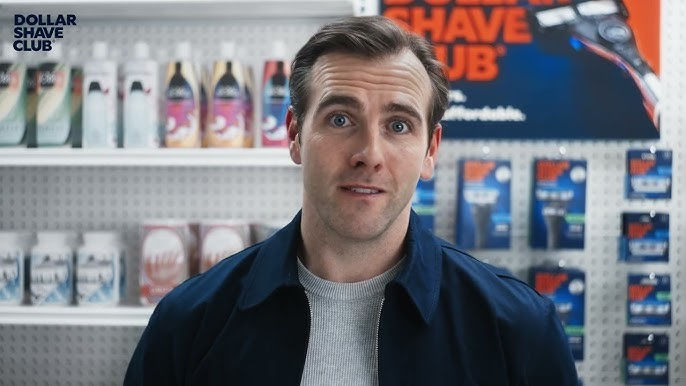
- What they did: In 2012, Dollar Shave Club made a splash with a quirky, low-budget video titled “Our Blades Are F***ing Great,” which quickly went viral on YouTube. Their humorous, direct-to-consumer approach immediately captured attention.
- Outcome: Produced for just $4,500, the video garnered millions of views within days, catapulting their subscription service. In 2016, Unilever acquired the company for $1 billion.
- Lesson: Use humor and personality to stand out.
- Marketing Technique: Viral Content Creation
- The humorous video showed the power of storytelling by focusing on the brand’s personality rather than its product features. This quirky, entertaining approach was perfect for going viral.
- Takeaway: Bold, memorable storytelling, even with limited resources, can help a brand cut through the noise.
SOURCE: DOLLAR SHAVE CLUB
2. Glossier
- What they did: Glossier began as a beauty blog (Into The Gloss) founded by Emily Weiss. Instead of traditional advertising, Weiss engaged directly with her audience, gathering feedback to create products tailored to their needs. The brand leaned on user-generated content and word-of-mouth marketing.
- Outcome: Glossier evolved into a cult beauty brand with a valuation exceeding $1 billion, proving that building a community can create an iconic brand.
- Lesson: Build a community before you build a product.
- Marketing Technique: Community-Driven Product Development
- Glossier’s deep connection with its audience made its product launches highly anticipated.
- Takeaway: Engage your target market early, listen to their needs, and create products they are already asking for.

SOURCE: TEENVOUGE
3. Gymshark
- What they did: UK-based Ben Francis started Gymshark with limited funds, focusing on influencer marketing instead of expensive ads. He sent free products to fitness influencers on YouTube and Instagram, building a network of brand ambassadors who promoted the activewear.
- Outcome: This organic, influencer-driven strategy helped Gymshark grow into a billion-dollar company.
- Lesson: Use influencer marketing strategically.
- Marketing Technique: Influencer Partnerships with Micro-Influencers
- By focusing on micro-influencers, Gymshark reached a highly engaged, niche audience.
- Takeaway: Authentic partnerships and organic promotion are more valuable than big celebrity endorsements.

SOURCE: COLLABSTR
4. Warby Parker
- What they did: Warby Parker disrupted the eyewear market by offering stylish, affordable glasses online. Their innovative home try-on program let customers order five pairs of glasses to try at home before buying, creating a convenient and customer-centric experience.
- Outcome: This clever approach helped Warby Parker grow into a multi-billion-dollar company.
- Lesson: Make convenience a part of your marketing.
- Marketing Technique: Innovative Customer Experience (Home Try-On Program)
- By solving a real pain point for customers, Warby Parker turned a unique customer experience into a powerful marketing asset.
- Takeaway: Offer convenience or a solution to a pain point, and that can become your key marketing differentiator.

SOURCE: WARBY PARKER
5. Fenty Beauty
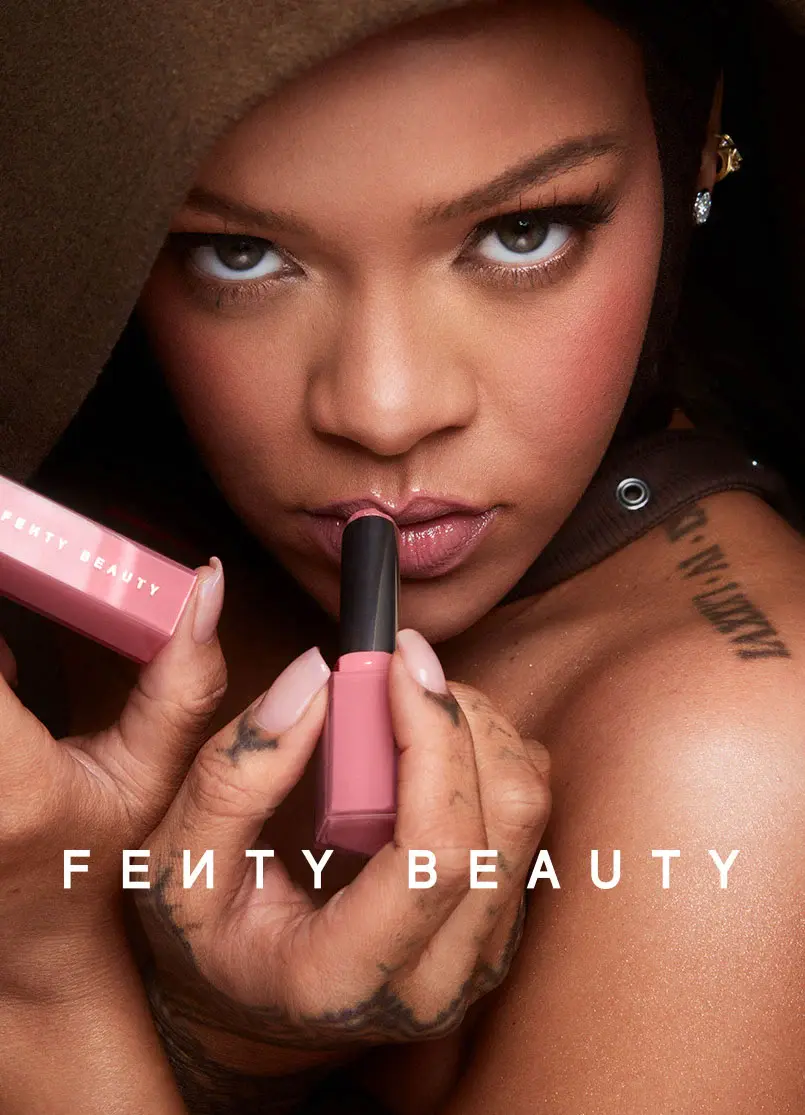
- What they did: While Rihanna's fame helped, Fenty Beauty’s major success came from its inclusive marketing. The brand’s 40-shade foundation line addressed a significant gap in the beauty market, making consumers of all skin tones feel seen.
- Outcome: The "Fenty Effect" revolutionized the industry, with products selling out rapidly and generating $100 million in sales within the first 40 days.
- Lesson: Inclusivity can be a unique selling point.
- Marketing Technique: Inclusive Marketing
- Fenty Beauty tapped into an underserved market, with representation and diversity as core brand values.
- Takeaway: Stand out by addressing market gaps related to representation or accessibility, building loyalty through inclusivity.
SOURCE: FENTYBEAUTY
6. Liquid Death
- What they did: Liquid Death used shock-value marketing to position canned water as rebellious, targeting younger consumers with dark humor and viral campaigns. Their bold messaging resonated, creating a cult following.
- Outcome: The brand quickly sold out its products and raised $9 million in Series A funding.
- Lesson: Be unapologetically different.
- Marketing Technique: Shock Value and Viral Campaigns
- Liquid Death used memes and irreverent messaging to stand out in the wellness-focused water industry.
- Takeaway: Don’t be afraid to challenge industry norms. Bold, unconventional marketing can create viral interest and a strong following.

SOURCE: LIQUID DEATH
7. MVMT
- What they did: MVMT Watches capitalized on social media ads and influencer marketing to promote affordable, stylish watches to millennials. They created aspirational, lifestyle-driven content, showcasing their products in sleek, minimalistic settings.
- Outcome: This led to rapid growth and eventually the acquisition of MVMT by the Movado Group for $100 million.
- Lesson: Leverage user-generated content and lifestyle branding.
- Marketing Technique: Instagram Lifestyle Branding
- MVMT sold a lifestyle, not just a product, building a strong brand image with Instagram-worthy visuals.
- Takeaway: Show customers how your product fits into their ideal life. Lifestyle branding and user-generated content can create a loyal following on a low budget.

SOURCE: MVMT
8. The Ordinary (Deciem)
- What they did: The Ordinary disrupted the skincare industry with transparent, affordable products. They marketed their clinical formulations through social media, with no reliance on extravagant ads or celebrity endorsements.
- Outcome: Their products frequently sold out due to high demand, leading to a partial acquisition by Estée Lauder.
- Lesson: Transparency builds trust.
Marketing Technique: Radical Transparency
- The Ordinary was radically transparent about ingredients and pricing, winning customer loyalty by demystifying skincare.
- Takeaway: Trust is a powerful differentiator, especially when competing against bigger brands.

SOURCE: COSMOPOLITAN
These success stories illustrate powerful marketing lessons for any business. By embracing personality, building communities, leveraging influencers, offering convenience, and addressing market gaps, even small businesses with limited budgets can achieve rapid growth and strong customer loyalty.
I’d love to hear your thoughts on this topic. Do you agree or disagree? Feel free to share your opinions and experiences—let’s open the conversation to different perspectives!


Comments